
A guide shaped with the client
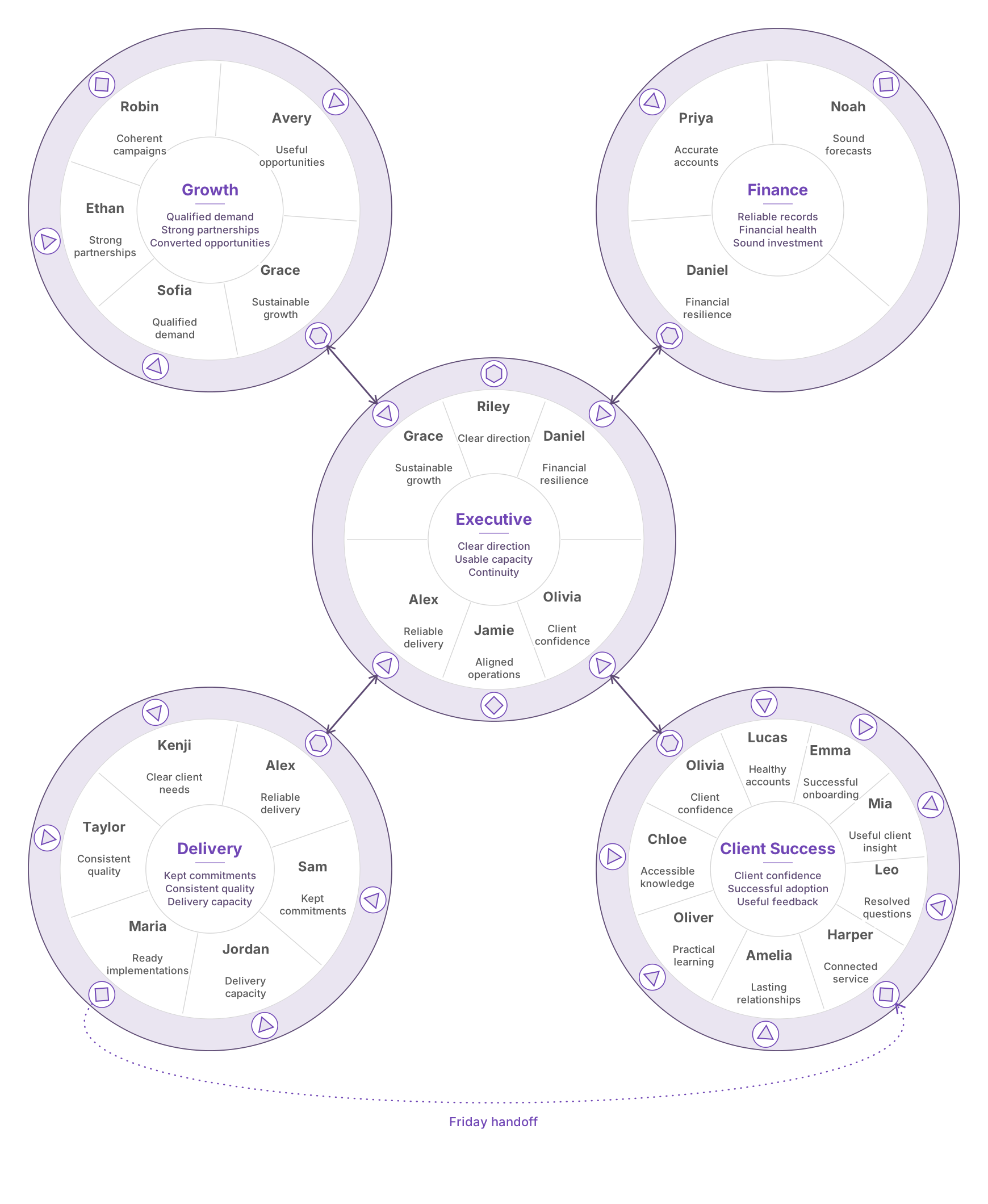
This illustrative page connects five teams and 25 people through shared leadership functions and a Friday handoff.
View full page: Blueprinting
What you take forward
Your living, client-owned guide to working agreements developed and tested with your people, then adopted by authorized decision-makers.
This illustrative page connects five teams and 25 people through shared leadership functions and a Friday handoff.
View full page: BlueprintingDeveloped with a client and adapted for this example. Names and details are illustrative.
Andrew brings organizational-design judgment and hands-on support as your people draft, test, and refine working arrangements. A Blueprint records a tested arrangement adopted by the appropriate client authority. A photographed team draft, concise agreement, or professionally prepared page may be the useful form; your engagement scope confirms the records Andrew helps prepare.
You own the guide and choose its home, maintainer, and review point. Your operating rhythm is how those agreements work in everyday practice.
A common language. A current reference. Agreements people can use.
A clear endpoint
Your proposal identifies the work, participation, useful outputs, and handover. A focused engagement may end with findings or a trial-ready Draft. A Blueprint records an arrangement tested and adopted by the appropriate client authority.
Your agreements can clarify ownership, value, timing, priorities, information, and working methods. Use the perspectives that help; the full Six Dimensions of Capacity are explained on the Method page.
Ready for everyday use
Keep your reference on paper or in familiar tools. Together, agree its home, access, and links to the records your people rely on.
Give the agreement a maintainer, a current version, and a review point. Refer to it in real work, note what changes, and update the reference when a new arrangement is authorized. Framing keeps it useful through continued practice.
Andrew walks through the agreed records and an update with your people. Clear status labels distinguish adopted agreements from active drafts.
Your proposal confirms the records, handover, and support included. Tool setup, training, or wider rollout are included only when agreed in scope.
What would a clearer shared answer make possible?
Start a conversation